For women ready to nourish their gut, balance hormones, and restore their energy with ease. Get weekly wellness insights, simple nutrition tips, and gluten-free recipes to support your healthiest life.
What Are Macronutrients: Embrace Energy And Wellness
When it comes to building balanced meals and supporting your overall wellness, understanding macronutrients is one of the most important nutrition foundations. So, what are macronutrients? Macronutrients, often called "macros", are the nutrients your body needs in large amounts to function properly every single day. Your Simple Guide to Protein, Carbs, and Healthy FatsWhat are macronutrients you ask? The three macronutrients are:
Each one plays a unique role in energy, metabolism, hormone support, recovery, and overall health. Instead of fearing certain foods or cutting out entire food groups, learning how macros work can help you create a more balanced and sustainable approach to nutrition. 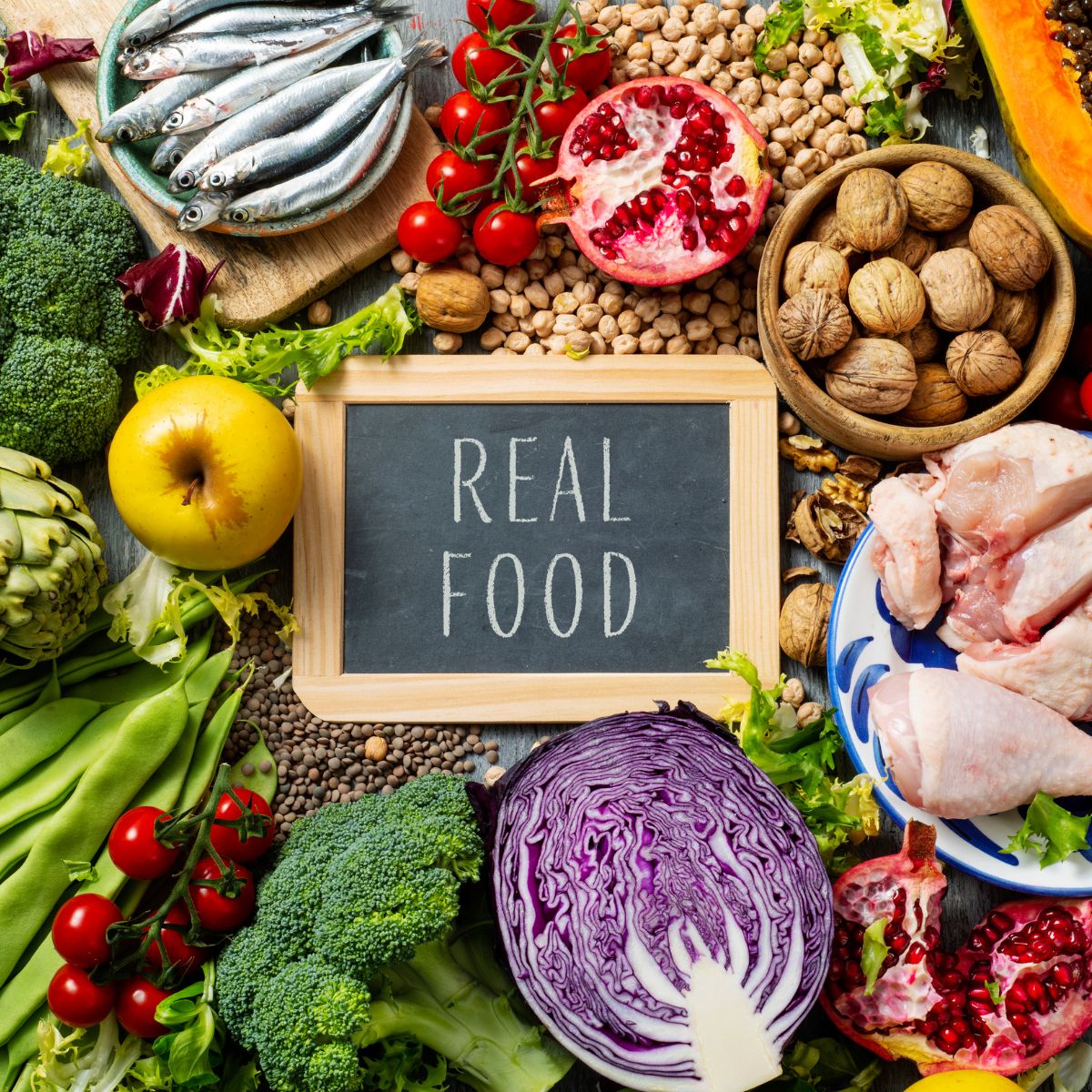 ❓ What Are Macronutrients?Macronutrients are nutrients that provide the body with energy (calories) and support essential body functions. Every meal you eat contains a combination of fats, carbohydrates, and protein in different amounts. A balanced intake of all three macronutrients helps support:
Let's break down each macronutrient and why your body needs them. 🥑 Fats: Essential For Hormones & Nutrient AbsorptionFor years, fat was misunderstood and often avoided. However, healthy fats are incredibly important for your body and overall wellness. Functions Of Healthy FatsHealthy fats help:
Your body needs essential fatty acids because it cannot make them on its own. Including healthy fat sources in your meals can help promote satiety, balanced hormones, and healthy skin. Healthy Fat Food SourcesSome nourishing fat sources include:
Try adding healthy fats to every meal for better satisfaction and nutrient absorption. For example, drizzle olive oil over vegetables or add avocado to a nourishing bowl. 🍠 Carbohydrates: Your Body's Preferred Energy SourceCarbohydrates often get a bad reputation, but they are actually the body's primary source of energy. Your brain, muscles, and cells rely heavily on glucose, which comes from carbohydrates. Functions Of CarbohydratesCarbohydrates help:
Fiber-rich carbohydrates are especially beneficial for gut health and can support healthy digestion and colon health. Healthy Carbohydrate Food SourcesQuality carbohydrate sources include:
Choose fiber-rich carbohydrates more often to help support stable energy and digestion. Pair carbs with protein and healthy fats for balanced meals. 🍗 Protein: Building Block Of The BodyProtein is essential for growth, repair, recovery, and maintaining lean muscle mass. Every cell in the body contains protein, making it a critical nutrient for life. Functions Of ProteinProtein helps:
Protein is especially important for recovery, strength, metabolism, and maintaining fullness after meals. Healthy Protein Food SourcesProtein-rich foods include:
Including protein with meals and snacks may help support energy, fullness, and muscle recovery throughout the day. ⚖️ Why Balance Matters?Instead of focusing on eliminating certain foods, a balanced nutrition approach often works best long term. Combining all three macronutrients in meals can help support:
A simple balanced plate may include:
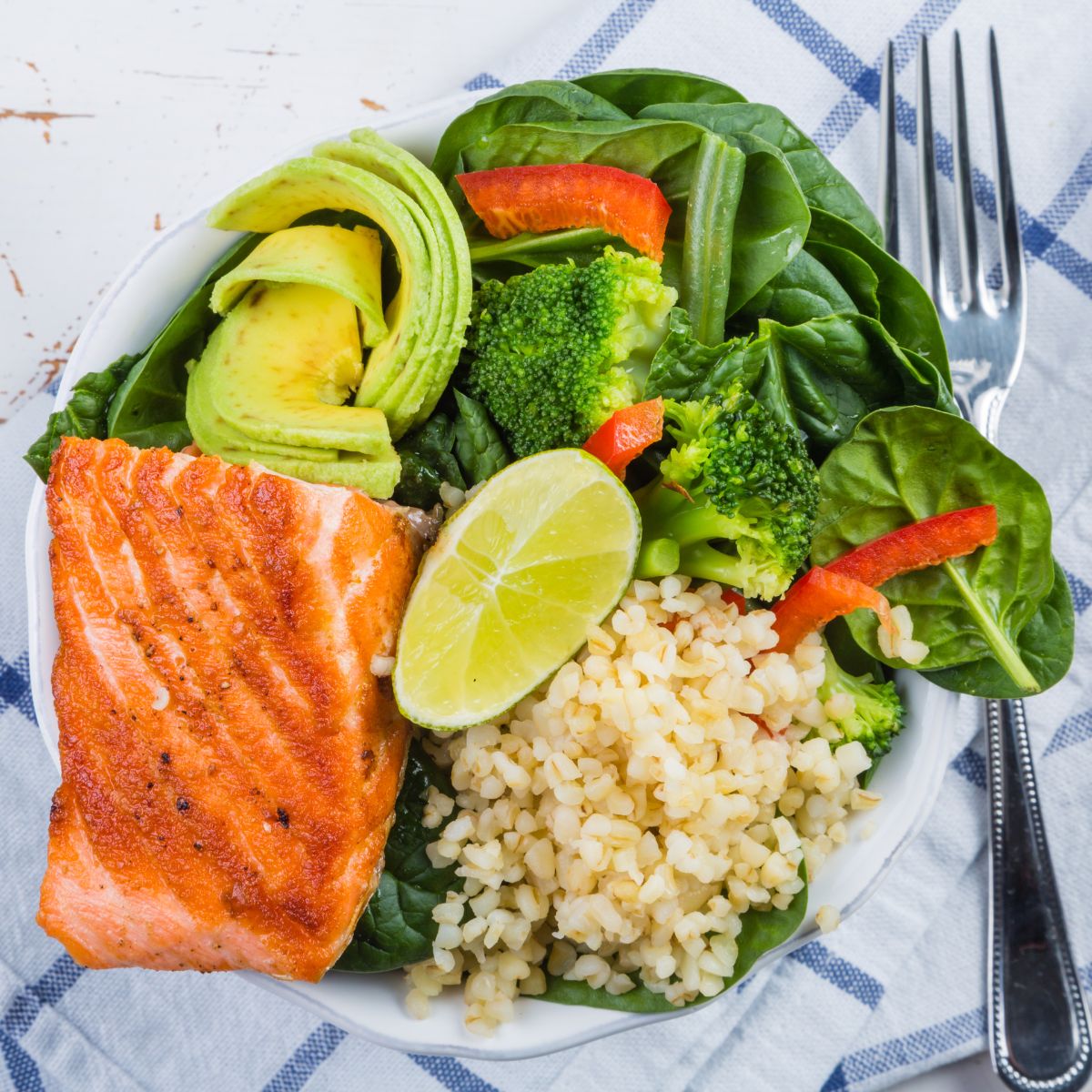 Balanced nutrition isn't about cutting foods out. It's about learning how to fuel your body with the protein, carbohydrates, and healthy fats it needs to thrive, heal, and sustain lasting wellness. --- Laura Villanueva, Eat Your Nutrition 🧡 Simple Ways To Balance Macronutrients DailyBuilding balanced meals does not have to feel complicated. A helpful approach is including all three macronutrients in your meals whenever possible. Creating balanced meals can be straightforward. One effective strategy is to incorporate all three macronutrients into your meals whenever you can. Exactly what are macronutrients in the context of meal planning? Here are a few simple examples: Breakfast Ideas
Lunch Ideas
Dinner Ideas
Snack Ideas
🌀 Harmony Method Tip: Build Your Balanced Macro PlateAt Eat Your Nutrition, we don't focus on calories or restriction, we focus on creating balanced wellness rhythms that help nourish your body consistently. ✨ Harmony Method™ Tip: Create A Balanced Macro Plate Instead of fearing certain foods or skipping meals, aim to build balanced plates with all three macronutrients to support steady energy, digestion, hormones, and fullness. Try this simple rhythm:
This balanced rhythm may help support:
💡 Think of balanced meals as nourishment, not restritciton. Your body thrives when it receives consistent fuel, variety, and support. 🛑 Signs Your Meals May Need Better Macro BalanceSometimes meals that are lacking protein, healthy fats, or fiber-rich carbohydrates may leave you feeling unsatisfied or low in energy. You may benefit from more balanced meals if you experience:
Adding a source of protein, healthy fats, and fiber-rich carbs to meals can often help support steadier energy and satisfaction. 🌿 Macronutrients & Holistic WellnessAt Eat Your Nutrition, we advocate for a holistic approach to nutrition that encompasses gut health, hormonal balance, emotional well-being, energy levels, and enduring wellness practices. What are macronutrients and how do they play a supportive role? Balanced macronutrients may help support:
Rather than focusing on restriction, learning how to nourish your body consistently can help create a healthier relationship with food and wellness. 💚 Nourishing Your Body Through BalanceUnderstanding macronutrients is one of the most empowering steps you can take toward building a healthier and more sustainable wellness lifestyle. Protein, carbohydrates, and healthy fats each play essential roles in supporting your energy, metabolism, hormones, digestion, recovery, and overall well-being. Rather than focusing on restriction or eliminating entire food groups, focus on creating balanced meals that help your body feel nourished, energized, and supported. Small intentional choices each day can create lasting wellness rhythms over time. Remember, healthy living is not about perfection. It's about nourishment, consistency, and learning how to care for your body in a way that feels sustainable and supportive for you.  🤔 ⁉️ FAQ - Common Questions Asked About MacronutrientsWhat Are The 3 Macronutrients?The three macronutrients are carbohydrates, protein, and fats. These nutrients provide energy and support important body functions. Which Macronutrient Gives The Body The Most Energy?Fat provides the most calories per gram, but carbohydrates are the body's preferred and quickest source of energy. Are Carbohydrates Bad For You?No. Carbohydrates are essential for energy, brain function, and overall wellness. Choosing fiber-rich carbohydrates like fruit, oats, vegetables, and whole grains can help support balanced nutrition. Why Is Protein Important?Protein supports muscle growth, tissue repair, hormones, enzymes, immune health, and recovery. Every cell in the body contains protein. Are Fats Healthy?Healthy fats are very important for hormone health, brain function, nutrient absorption, and overall wellness. Focus on sources like avocado, olive oil, nuts, seeds, and fatty fish. How Can I Balance My Macros?A simple way to balance macros is to include: ✅ A protein source. Try to add all of these to most meals. Can I Lose Weight While Eating All Macronutrients?Yes. Balanced nutrition that includes protein, carbohydrates, and healthy fats can support sustainable weight management while helping maintain energy and muscle mass. What Are Examples Of Healthy Macro-Balanced Meals?Some examples include: ✅ Salmon with rice and vegetables. These meals contain a balance of protein, carbohydrates, and healthy fats. Want Support Building Balanced Nutrition Rhythms?If you're ready to create balanced meals that support energy, gut health, hormones, and sustainable wellness without restriction, explore: 👉 Restore Your Gut Health Fundamentals Program 💬 Let's Keep The Conversation Going: Understanding MacronutrientsLearning how to balance protein, carbohydrates, and healthy fats can completely transform the way you nourish your body. And the best part? Healthy eating does not have to be overwhelming or restrictive. I'd love to hear from you. 💚
Drop a comment below or connect with me on Instagram @eatyournutrition and share your wellness journey. Your story may inspire someone else to begin creating healthier habits too. And if you're ready to go deeper…
Remember, wellness is not about perfection, it's about consistency, nourishment, and creating habits your body can trust. I'm here to support you every step of the way. 📧 Share This ArticleIf this article helped you better understand macronutrients and balanced nutrition, share it with someone who is working toward healthier habits. 💚 ✨ Ways To Share:
📌 The more we share wellness education, the more we empower others to nourish their bodies naturally. 📚 ReferencesThe information in this article is supported by established nutrition science related to macornutrients, metabolism, and balanced dietary patterns. 1. U.S. Department of Health and Human Services & U.S. Department of Agriculture. (2020-2025). Dietary Guidelines for Americans. 9th Edition. 👉 The Dietary Guidelines for Americans emphasize the importance of balanced nutrition patterns that include healthy carbohydrates, proteins, and fats to support overall health and wellness. 2. Harvard T.H. Chan School of Public Health. The Nutrition Source: Macronutrients. https://nutritionsource.hsph.harvard.edu/ 👉 Harvard Nutrition Source explains that carbohydrates, proteins, and fats each play essential roles in energy production, metabolism, growth, and overall body function. 3. National Library of Medicine. Nutrition and Metabolism Overview. https://www.ncbi.nlm.nih.gov/ 👉 Research continues to support the importance of balanced macronutrient intake for energy regulation, muscle maintenance, hormone health, and long-term wellness. |
Laura Villanueva | Eat Your Nutrition
For women ready to nourish their gut, balance hormones, and restore their energy with ease. Get weekly wellness insights, simple nutrition tips, and gluten-free recipes to support your healthiest life.

If you've been on a gut health journey for a while, you've probably heard the same handful of foods mentioned over and over: bone broth, kimchi, kefir, until they start to feel more like buzzwords than actual meals. Knowing what to eat is only half the battle. The real question is: how do you fit these foods into a normal week without turning your kitchen into a science lab? So today, I'm sharing 5 of my go-to gut-healing foods, and simple ways to actually use them: 🥣 Bone broth → Use it as...
When most people think about improving gut health, they often picture expensive supplements, restrictive diets, or complicated protocols. But the truth is, your gut responds best to the small choices you make consistently. Your digestive system is influenced by everything from the foods you eat to how well you sleep, manage stress, hydrate, and move your body. Tiny daily habits for gut health repeated over time can create meaningful improvements in digestion, energy levels, inflammation, and...

The Fourth of July always feels like the heart of summer. It's the season of backyard barbecues, colorful fruit platters, long afternoons in the sunshine, neighborhood cookouts, and gathering with family and friends before watching fireworks light up the night sky. One of my favorite parts of the holiday is that it doesn't have to be complicated. A few healthy 4th of July recipes, a grill, and good company are often all you need to create a celebration that everyone enjoys. 4th of July Recipe...